Ontario: Public Lands vs Parks and Conservation Reserves
The legal switch that changes everything
Conservation Reserves and Parks 101, permission-based land use under the PPCRA
Conservation Reserves and Parks 101, permission-based land use under the PPCRA

Ontario “public lands” include lands designated as Crown lands, school lands, and clergy lands.
Crown land is primarily managed under the Public Lands Act (PLA). It is a multi-use framework, with rules that can be tightened by notices, permits, and regulations.
Provincial parks and conservation reserves are managed under the Provincial Parks and Conservation Reserves Act, 2006 (PPCRA). Most importantly, once land is under the PPCRA, the PLA does not apply to it.
Translation: the designation is not a label, it is a different legal regime.
Conservation Reserves and Parks 101, permission-based land use under the PPCRA
Conservation Reserves and Parks 101, permission-based land use under the PPCRA
Conservation Reserves and Parks 101, permission-based land use under the PPCRA
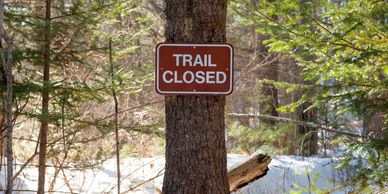
Under the PPCRA, the baseline flips.
- Land in provincial parks and conservation reserves must be used and occupied in accordance with the PPCRA and its regulations, and no one may use or occupy that land except in accordance with that legal framework.
- The Minister manages these areas through a superintendent (parks) or a conservation reserve manager (reserves), and management plans may include zoning and zone policies.
This is why “nothing will change” is a dangerous sentence: the legal starting point is compliance with the Act and regulations, not informal community norms.
Crown Land 101, what “multi-use” actually means under the Public Lands Act
Conservation Reserves and Parks 101, permission-based land use under the PPCRA
What gets automatically removed by law after designation, the industrial and economic uses
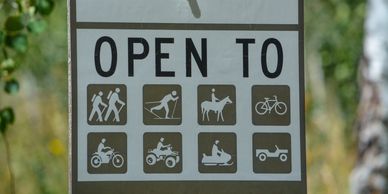
On Crown land, the Province can still restrict use, but the legal starting point is not “prohibited unless permitted.”
What the PLA empowers government to do on Crown land
- Post notices that prohibit, control, or govern possession, occupation, or any use of public lands, and vehicle parking. Breaking a posted notice is an offence.
- Make regulations that prohibit or regulate the use or occupation of public lands, or the kinds of activities carried on there.
Access by road matters
- Public right of passage exists on many public-land roads (except private forest roads), but it can be limited by closures and permits.
What gets automatically removed by law after designation, the industrial and economic uses
What may still be allowed in a Conservation Reserve, and what will now require formal permission
What gets automatically removed by law after designation, the industrial and economic uses
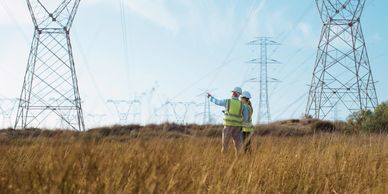
This is the part many people miss, because it is not a policy preference, it is statutory.
PPCRA, prohibited uses: When land is governed under this Act, key industrial uses are prohibited, including:
- Commercial timber harvesting
- Generation of electricity
- Prospecting, staking mining claims, developing mineral interests, or operating mines
- Extracting aggregate, topsoil, or peat
What may remain (usually as an exception, not a guarantee)
- Some existing operations or authorizations can continue in limited circumstances set out in the Act (for example, certain existing wells, aggregate pits, or generation sites), depending on the specific section and facts.
Designation can shut down whole categories of land-based work by operation of law, unless you fall into a specific exception.
What may still be allowed in a Conservation Reserve, and what will now require formal permission
What may still be allowed in a Conservation Reserve, and what will now require formal permission
What may still be allowed in a Conservation Reserve, and what will now require formal permission
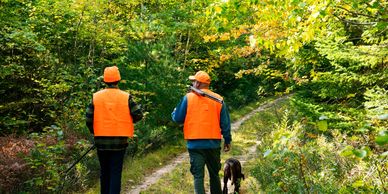
A conservation reserve is not the same as a provincial park, but it still runs on PPCRA rules.
Hunting and zoning
Hunting in a conservation reserve cannot be constrained by zoning, and can only be restricted in the narrow way the Act permits.
Formal authorizations become the new normal
The Minister may authorize use or occupation through agreements, land use permits, licences of occupation, leases, or easements.
Existing commercial agreements, leases, land use permits, and licences of occupation can continue according to their terms and are deemed to have been made under the PPCRA.
Work permits and “doing normal trail things”
The PPCRA sets out a work-permit system for many activities people associate with stewardship and infrastructure, including constructing, installing, altering, or removing works, and other listed activities.
Fees and controlled access
The PPCRA allows charging fees and rentals connected to parks and conservation reserves, depending on the specific authority exercised.
Closures
The PPCRA also provides for closures of roads, trails, and portages, with consequences for travel on closed routes.
The “Before You Support It” checklist, 6 questions every land user should ask
What may still be allowed in a Conservation Reserve, and what will now require formal permission
What may still be allowed in a Conservation Reserve, and what will now require formal permission

If a proposal uses words like “conservation reserve,” “ecological corridor,” “park,” or “protected area,” ask this, in writing:
- What statute will govern the land after designation, PLA or PPCRA? (Because the PLA does not apply once the PPCRA applies.)
- Is it a provincial park or a conservation reserve, and what class or management direction is being proposed?
- Which activities will become prohibited by law, not by policy? (timber, mining, aggregate, energy generation)
- What, exactly, is protected as “existing” use, and for how long, under what instrument?
- Who will hold the authority after designation, and who will be responsible day-to-day? (superintendent or conservation reserve manager)
- What will require formal permission, permits, or fees that did not before, including trail work and maintenance?